
HOMEcoming
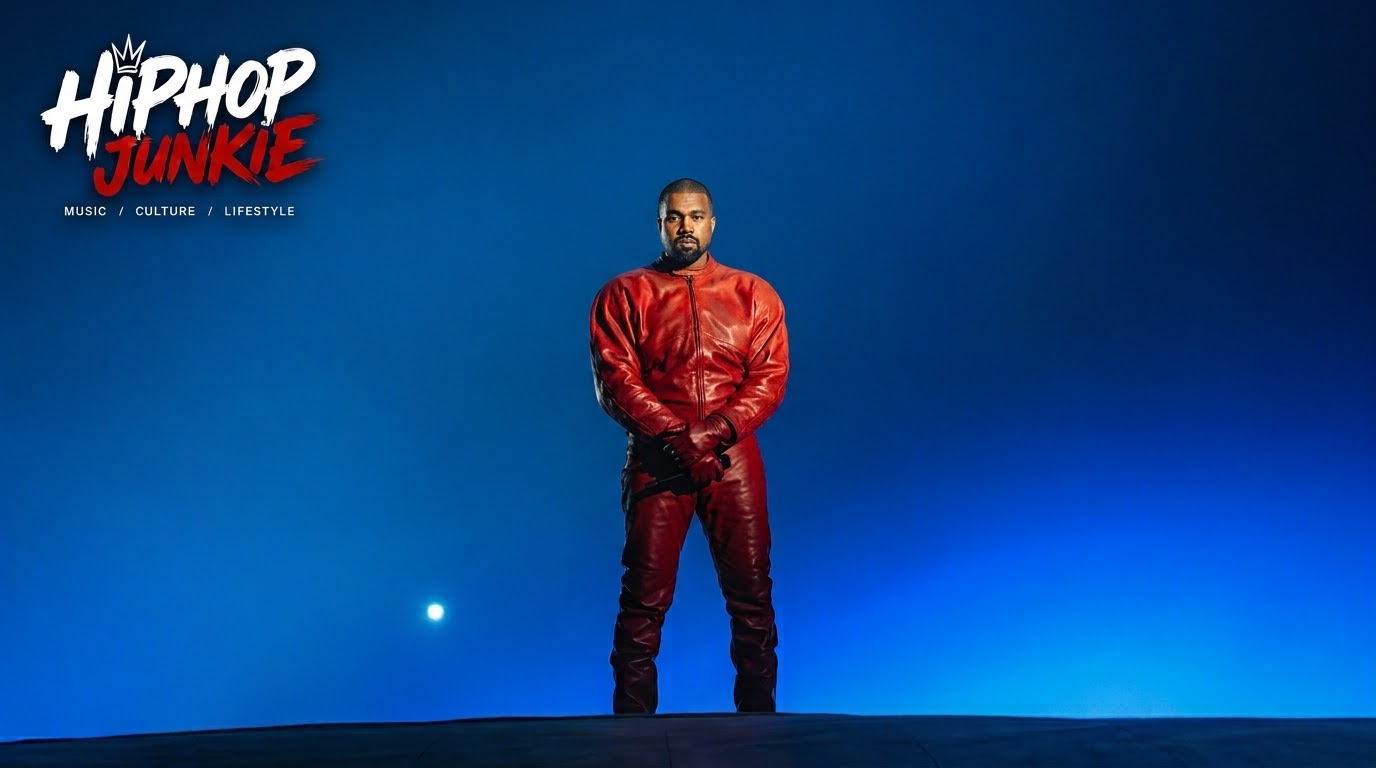
Ye’s return to Chicago was more than a concert, it was a full circle homecoming. Performing at Soldier Field alongside artists including Common, Chief Keef, Twista, Kid Cudi, Travis Scott and more, Ye brought together multiple generations of Hip-Hop and reminded fans of his lasting influence on the culture. With additional stadium dates announced in Houston, Arlington and Glendale, Chicago may have marked the beginning of a new era for Ye.
By Quan Williams · 9/5/2026
There are concerts.
There are events.
And then there are moments when the culture collectively says, “Yeah… that’s Ye.”
Chicago got one of those moments.
Ye returned home to Soldier Field for two nights, September 3 and 4, and if you understand what Chicago means to Kanye West, you already know this wasn't just another stop on a tour. This was a full circle moment. A homecoming in the truest sense of the word.
Because before the stadiums, the fashion shows, the Grammys, the billionaire conversations, the headlines and the mythology, there was Chicago.
There was the kid from the South Side with the beats.
There was the producer who heard something different in the music.
There was the rapper who eventually convinced the world that the guy behind the boards could also stand in the middle of the stage.
And now, years later, that same kid is standing in a stadium in his hometown with an entire generation of music standing beside him.
That's bigger than a concert.
That's legacy.
THE GUEST LIST WAS A CHICAGO HISTORY LESSON
Ye didn't just bring out guests.
He brought out chapters.
Big Sean.
GLC.
2 Chainz.
Twista.
Don Toliver.
Consequence.
Travis Scott.
Common.
Kid Cudi.
Young Thug.
Chief Keef.
Rick Ross.
Lupe Fiasco.
And the list kept reminding everybody of something we've known for years:
Ye's fingerprints are all over Hip-Hop.
From the backpack era to the blog era. From conscious rap to trap. From Chicago's underground to global stadiums.
There were artists on that stage who represented different generations, different sounds and different versions of Hip-Hop—but somehow they all made sense standing next to Ye.
Big Sean showing up felt like history coming full circle. Twista stepping out felt like Chicago royalty walking into the building. Chief Keef represented the raw, unapologetic energy of a city that helped change the sound of modern rap. Common represented the soul and intellect of Chicago Hip-Hop.
And then you had names like Travis Scott, Kid Cudi, Young Thug and Don Toliver, artists who helped carry pieces of Ye's musical DNA into another generation.
That's the thing about greatness.
It doesn't just create songs. It creates descendants.
YE HAS ALWAYS BEEN BIGGER THAN THE SONG
Love him or criticize him, you can't tell the story of modern Hip-Hop without telling the story of Ye.
That conversation isn't about whether every decision was perfect.
It isn't.
Greatness rarely comes in a perfectly packaged box.
It's about impact.
It's about the producer who helped reshape what mainstream rap could sound like.
The artist who made vulnerability fashionable.
The rapper who turned albums into worlds.
The creative who blurred the line between music, fashion, design and culture.
And the Chicago kid who somehow convinced stadiums around the world to sing songs that started as ideas in his head.
That's why this homecoming feels different.
There was something almost poetic about watching Ye perform songs that helped define entire eras while standing in the city that helped define him.
Chicago wasn't simply watching Kanye West.
Chicago was watching one of its own come home.
AND NOW… THE STADIUMS KEEP CALLING
Apparently, Chicago wasn't the finale.
It was the announcement.
Ye is continuing his U.S. stadium run with three more dates: Houston at NRG/Reliant Stadium, Arlington at AT&T Stadium and Glendale at State Farm Stadium.
Three more stadiums.
Three more cities.
Three more opportunities to find out what happens when Ye walks into a building built to hold tens of thousands of people and decides to make it feel like his living room.
And that's where the bigger question comes in.
HEADING ARE WE WITNESSING THE RETURN OF A NEW YE?
Not the old Ye.
Not the Kanye everybody remembers from a particular era.
A new Ye.
Because maybe that's what happens when you've lived through enough chapters to realize you can't go backward.
You can only evolve.
The young Kanye wanted to prove he belonged.
The superstar Kanye wanted to conquer.
The fashion Kanye wanted to redefine.
The controversial Kanye became the headline.
But perhaps this version of Ye is simply trying to create again.
To perform again.
To connect again.
To remind people why the music mattered in the first place.
And maybe that's why Chicago felt so powerful.
For a couple of nights, the noise surrounding Ye became secondary.
The music got loud.
The stadium got louder.
And the city that watched him dream before the world knew his name got to watch him return as the man who became one of Hip-Hop's most influential architects.
Homecoming isn't about going back to who you were.
It's about returning to the place that reminds you who you are.
Ye came home.
And judging by what happened inside that stadium, Chicago was ready for him.
So the question isn't whether Ye can recreate the past.
He doesn't need to.
The real question is:
What does Ye look like when he finally becomes comfortable creating the future?
Because if Chicago was any indication…
we might be witnessing the beginning of another Ye era.
And Hip-Hop has always been better when Ye has something to say.
Welcome home, Ye.